
In today’s hyper-connected digital world, consumers are constantly bombarded with advertisements, sales pitches, and promotional messages. With such overwhelming noise, traditional marketing alone is no longer enough to capture attention or build trust. This shift in consumer behavior has paved the way for one of the most powerful business tools of the modern era—content marketing. More than just blogs and social posts, content marketing is a strategic approach that helps brands connect, engage, and convert audiences through valuable and relevant information.
Businesses of all sizes—from local startups to global enterprises—are using content marketing to grow their reach, strengthen relationships, and differentiate themselves in crowded markets. Here’s why content marketing has become a boon for businesses today.
1. Builds Trust and Long-Term Relationships
Consumers no longer buy solely based on catchy slogans or persuasive ads. They buy from brands they trust—brands that educate them, guide them, and provide value before asking for anything in return.
Content marketing enables businesses to do exactly that.
When a business consistently publishes helpful blog posts, informative videos, or actionable guides, it gradually positions itself as an expert in its field. This expertise fosters credibility, and credibility leads to trust. Over time, this trust becomes the foundation of long-term customer relationships and loyalty—something that money can’t buy. We know very well the loyalty is the thing which can not be purchased with money.
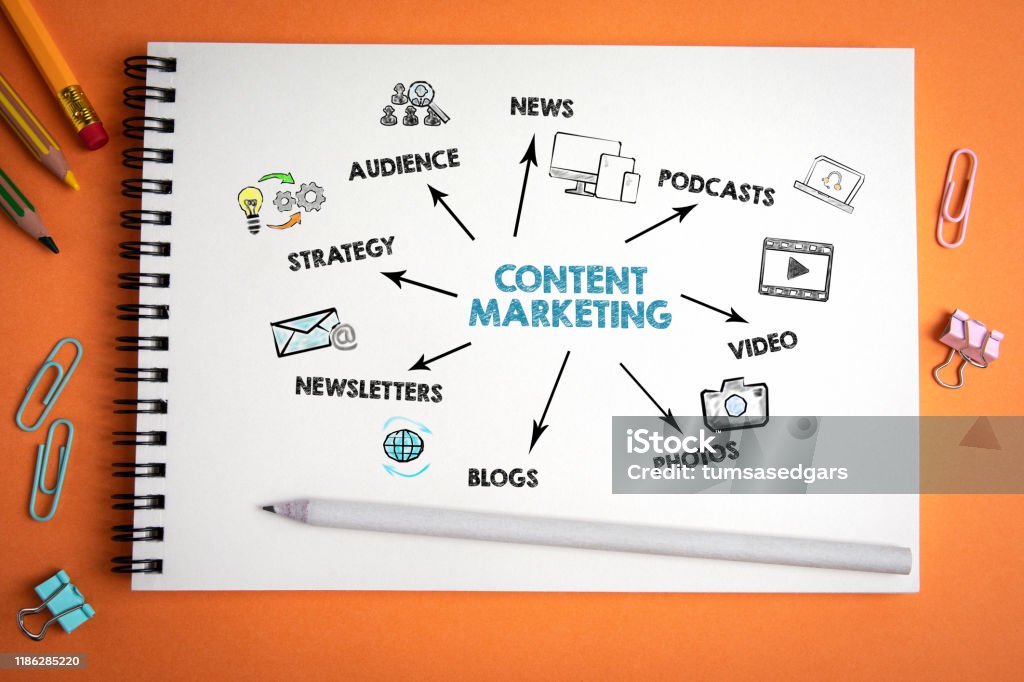
Trust-driven brands often enjoy higher customer retention, positive word-of-mouth, and stronger referral networks, making content marketing far more powerful than traditional advertising alone. When we try to target the audience through News, Story, Photos, Social Media, Blog. We can reach the quality audience by showing them the information related to our product and services. When the people get go through about what we are offering to them then, the interest to buy them strikes in the mind of audience.

2. Enhances SEO and Online Visibility
In a world where most buying journeys start on Google, visibility is everything. If customers cannot find a business online, they can’t engage with it—no matter how good its products or services are. The reason behind it is that now a days people get spent their more time on these platforms. Each and every thing is easily available on just a click.
Content marketing fuels search engine optimization (SEO) by providing websites with high-quality, keyword-rich, and value-driven content. Search engines reward websites that consistently publish helpful information by ranking them higher in search results.
Blog posts, how-to articles, FAQs, landing pages, and infographics all help businesses:
- Attract organic traffic
- Rank for relevant keywords
- Increase domain authority
- Generate leads without paid advertising
Put simply, good content = better SEO = more visibility = more customers
3. Increase Brand Awareness and Recognition
In the modern marketplace, people often discover brands long before they make a purchase. They may come across a video on social media, read a blog post, or find a guide while researching a problem. Each touch point forms a piece of the brand’s identity in their minds.
Content marketing ensures businesses are present across multiple channels where the audience lives—Google, YouTube, Instagram, LinkedIn, podcasts, and more.
By sharing high-value content across these platforms, brands create consistent visibility and become recognizable in their industry. Over time, this recognition translates into increased trust, stronger recall, and ultimately, more conversions

4. Generates High-Quality Leads
One of the biggest advantages of content marketing is its ability to attract not just any audience, but the right audience.
People who consume a brand’s content—such as reading industry blogs or downloading resources—are already interested in the topic and therefore more likely to become leads. Lead magnets like eBooks, webinars, checklists, and newsletters help businesses capture valuable contacts while offering genuine value in return.
Compared to traditional advertising, which often interrupts audiences, content marketing works by aligning with what users are already searching for. This makes the leads more intent-driven and easier to convert.
5. Supports Every Stage of the Buyer’s Journey
A customer’s decision-making journey typically includes awareness, consideration, and purchase. Content marketing plays a crucial role at each step:
Awareness Stage:
Blogs, social media content, and videos help audiences identify their problem and discover solutions.
Consideration Stage:
Comparisons, case studies, and in-depth guides help them evaluate different options and understand why your offering stands out.
Decision Stage:
Testimonials, demos, and product-focused content support the final purchase decision.
By nurturing prospects at every stage, content marketing acts as a powerful bridge between interest and sales.
6. Delivers Higher ROI Compared to Traditional Ads
Studies consistently show that content marketing produces significantly higher ROI than many traditional marketing methods.
Here’s why:
- Content continues working long after it’s created
- Blogs and videos generate organic traffic indefinitely
- Evergreen content keeps attracting leads without recurring costs
- Audiences trust value-based content more than intrusive ads
Unlike paid ads that stop delivering results once the budget runs out, a well-written piece of content can generate leads for months or even years.
In the long run, content marketing is cost-effective, sustainable, and scalable, making it a boon for businesses of all sizes.

7. Strengthens Social Media Presence
Social media thrives on engaging content. Without quality posts, brands fade into the background.
Content marketing provides a steady supply of meaningful posts—educational snippets, infographics, videos, carousel tips, quotes, and more—that keep audiences engaged and conversations flowing.
Well-designed content also encourages:
- Likes, shares, and comments
- Community building
- Brand advocacy
- Higher reach and visibility
Instead of posting random updates, businesses can leverage strategic content to create a strong and authentic social media presence.
8. Educates Customers and Reduces Support Costs
A well-informed customer is easier to sell to—and easier to support.
Content like FAQs, tutorials, troubleshooting guides, and product walkthroughs helps customers understand how to use a product or service effectively. This not only enhances user experience but also reduces the burden on customer support teams.
For many businesses, educational content has significantly lowered support queries, streamlined onboarding, and improved overall customer satisfaction.
9. Builds a Brand Voice and Personality
Content marketing isn’t just about information—it’s about identity.
Through consistent content, businesses express their tone, values, mission, and personality. Whether a brand wants to come across as friendly, authoritative, humorous, or inspirational, content is the medium that brings this voice to life.
A distinct brand voice helps businesses stand out in competitive markets and build deeper emotional connections with their audience

10. Future-Proofs the Business
The digital landscape is evolving rapidly, and content marketing keeps businesses adaptable. As new platforms, algorithms, and trends emerge, content remains the one constant that drives engagement across all mediums.
Businesses that invest in content today are better prepared for tomorrow’s digital challenges—whether it’s AI-driven search, shifting consumer preferences, or emerging technologies like AR and VR.
In short, content marketing isn’t just a trend. It’s a long-term asset that strengthens brand resilience.